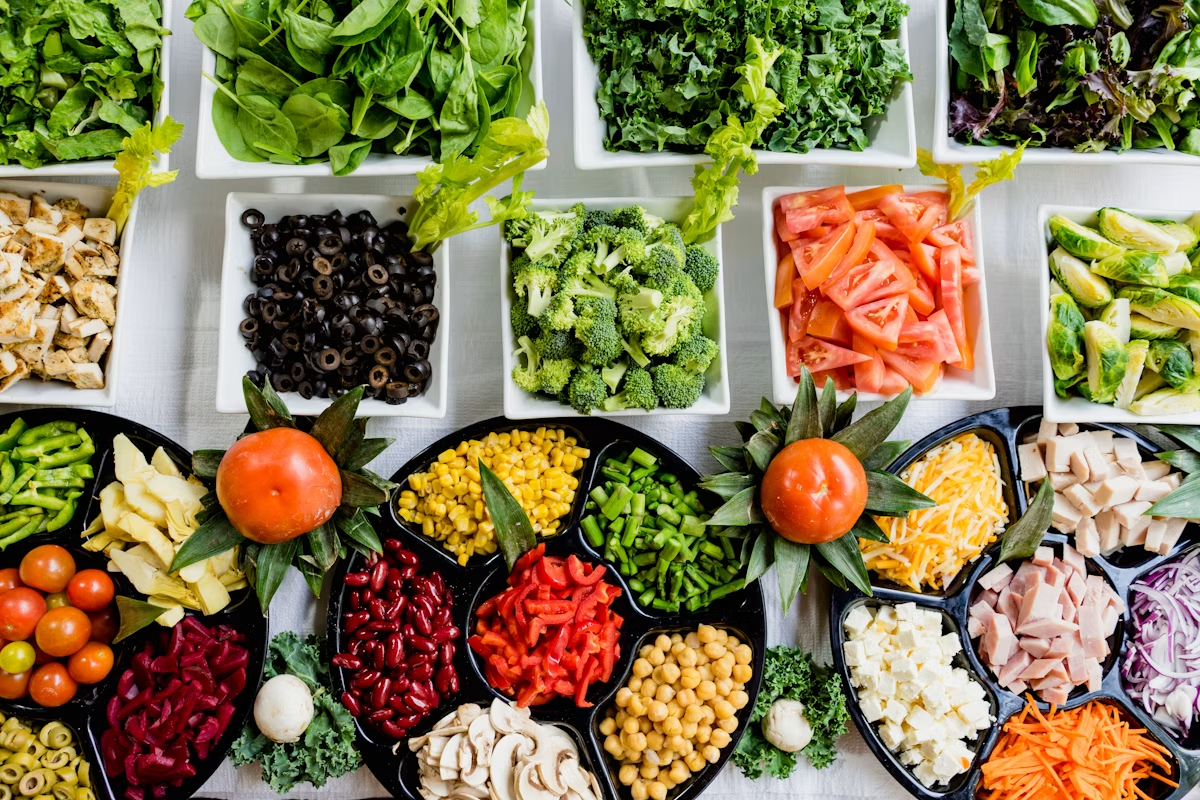
Nutrition forms the biological foundation of human energy, cellular repair, and long-term vitality. Rather than focusing on restrictive diets or temporary trends, sustainable wellness relies on understanding the core principles of nutrient density.
What is Nutrient Density?
Nutrient density refers to the amount of essential vitamins, minerals, complex carbohydrates, and lean proteins contained per calorie of a food. Foods high in nutrient density—such as leafy greens, legumes, nuts, seeds, berries, and whole grains—provide robust nutritional value that feeds metabolic pathways efficiently.
Key Educational Takeaways
- Whole Food Focus: Unprocessed foods offer complex synergic nutrients that support gut health.
- Steady Glycemic Response: Pairing complex fiber with protein prevents rapid blood sugar spikes.
- Hydration Balance: Water is essential for nutrient transport and digestive enzyme action.
- Consistency Over Perfection: Small, sustainable nutritional choices compound over years.
The Role of Fiber and Healthy Fats
Dietary fiber acts as nourishment for beneficial gut microbiota, encouraging a balanced digestive system. Meanwhile, healthy monounsaturated and omega-3 fatty acids—found in avocados, olive oil, and walnuts—support cell membrane fluidity and brain function.
Practical Everyday Meal Assembly
Assembling a nutrient-dense meal does not require complex recipes or specialized ingredients. A simple baseline rule of thumb is the balanced plate visual concept:
1/2 plate vegetables & leafy greens, 1/4 plate lean protein source, and 1/4 plate whole grains or starchy root vegetables, finished with a thumb-sized serving of healthy oils or seeds.